
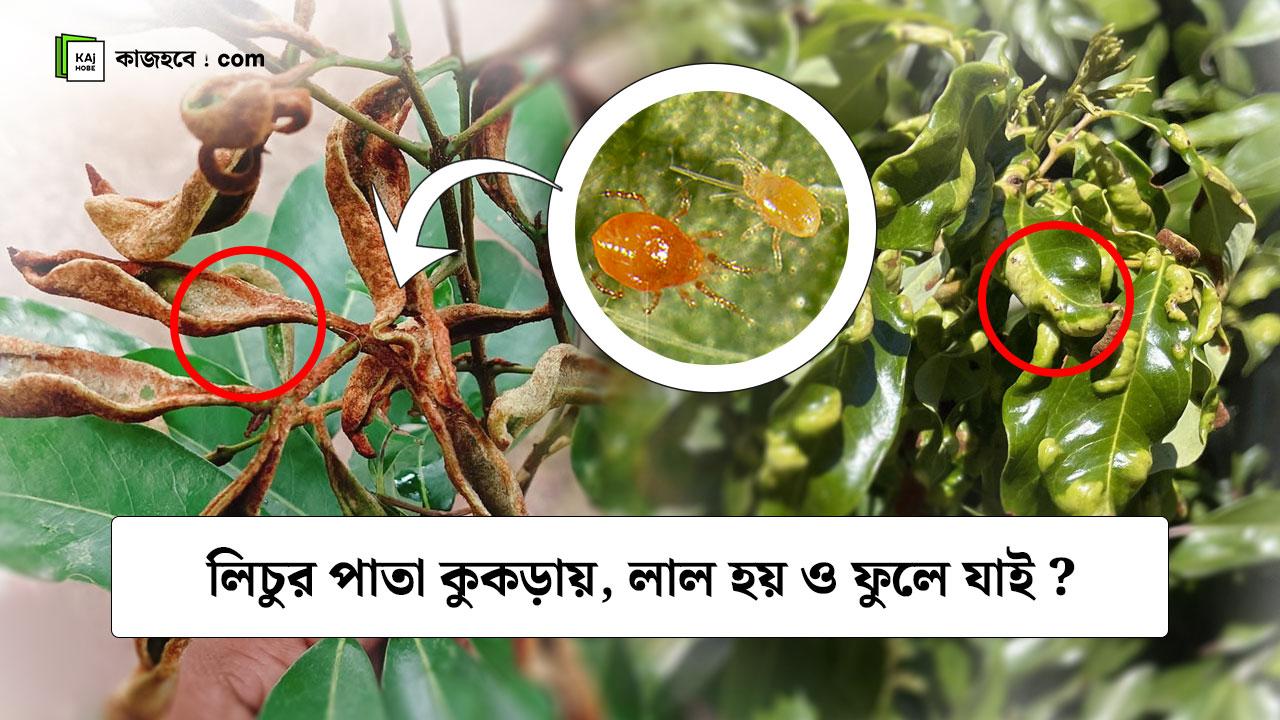
Why Are Lychee Leaves Swelling, Curling, and Turning Brown?
Farmers who grow lychee trees, as well as those who have lychee trees in their home gardens, often notice unusual swelling, curling, brown coloration, and a velvet-like appearance on both new and old lychee leaves. When this occurs severely, it can interfere with the normal growth of leaves and significantly affect lychee production. Even when the infestation is minor, if proper control measures are not taken, the problem may spread to all the trees.
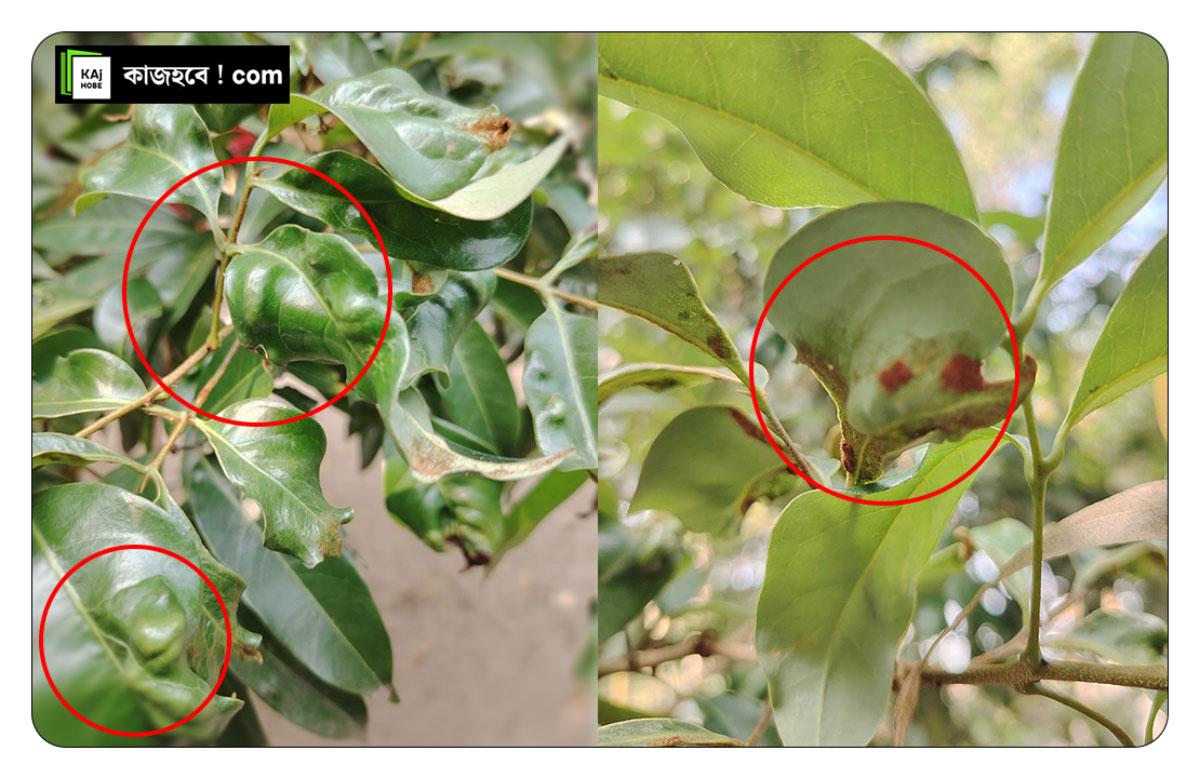
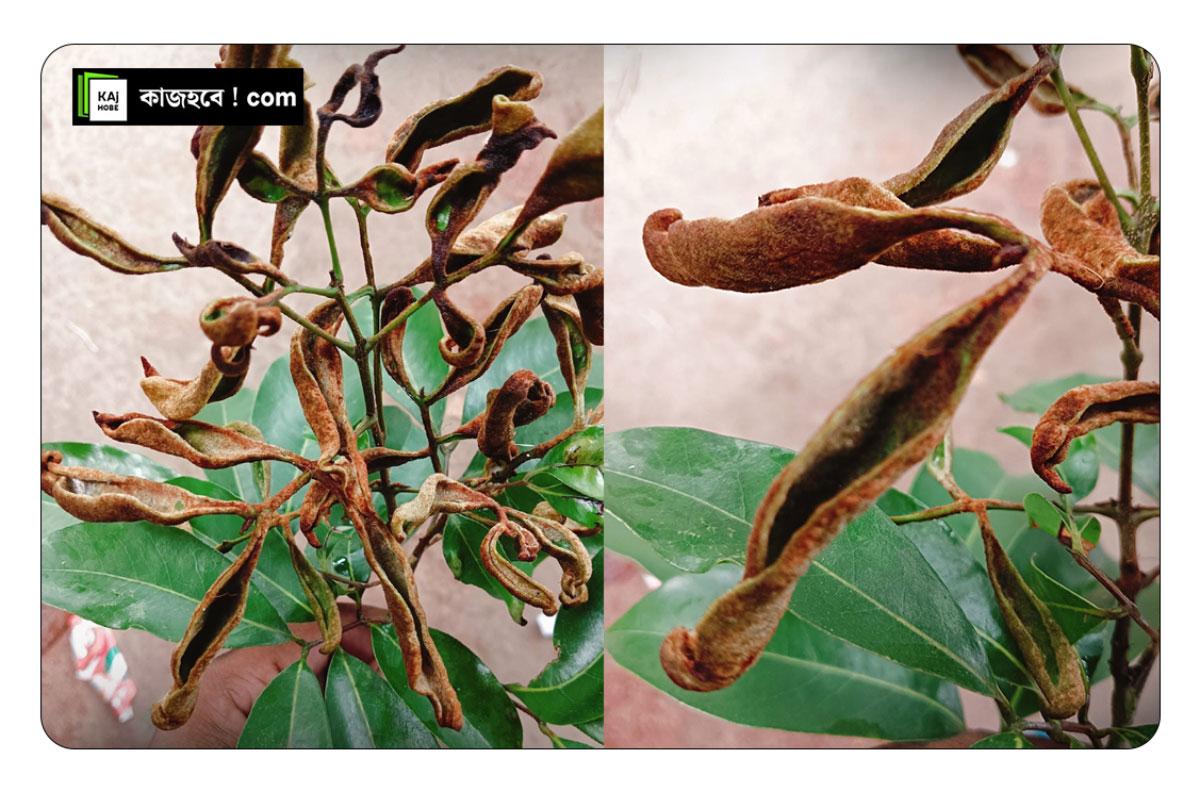
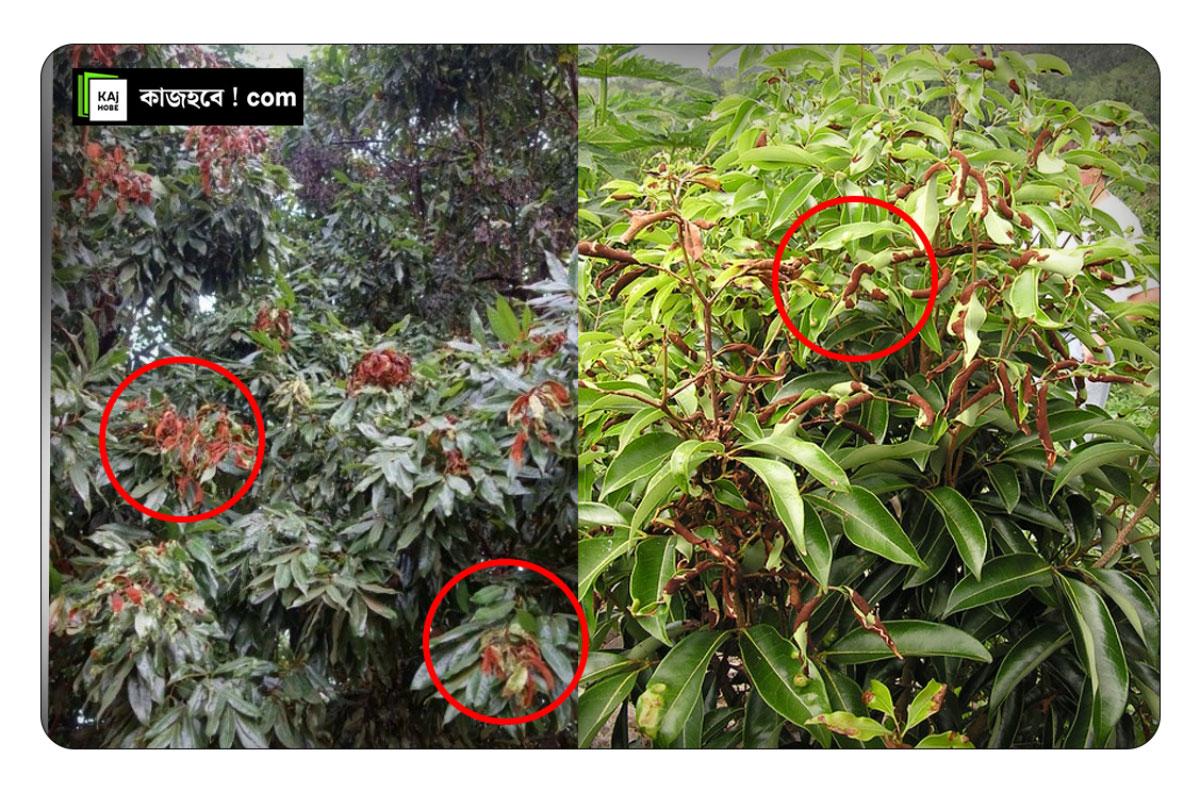
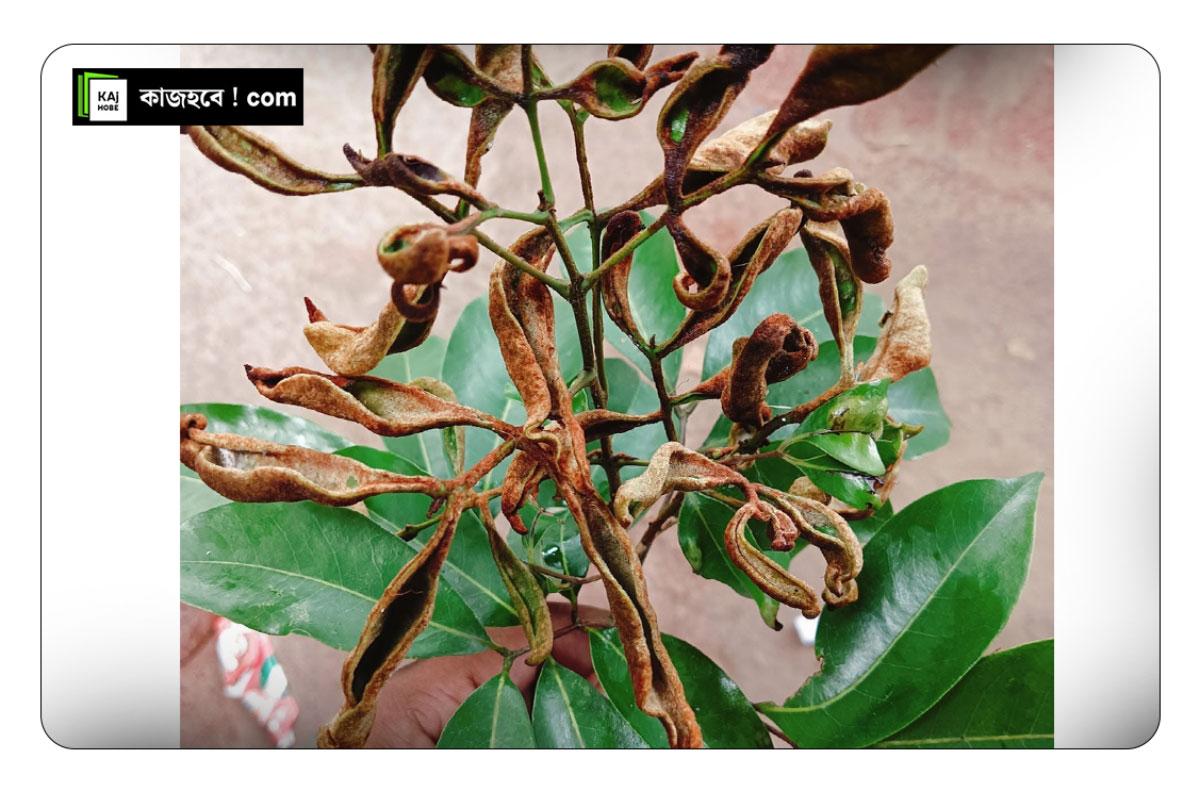
These symptoms are generally caused by the attack of an extremely tiny mite known as the Lychee Leaf Gall Mite. The image below shows lychee leaves affected by this problem.
🔍 Symptoms of Infestation
1. In the early stages of infestation, unusual swelling and galls develop on the new leaves of lychee trees.
2. The edges of the leaves curl, and the leaves become distorted. The leaves become weak and droop downward.
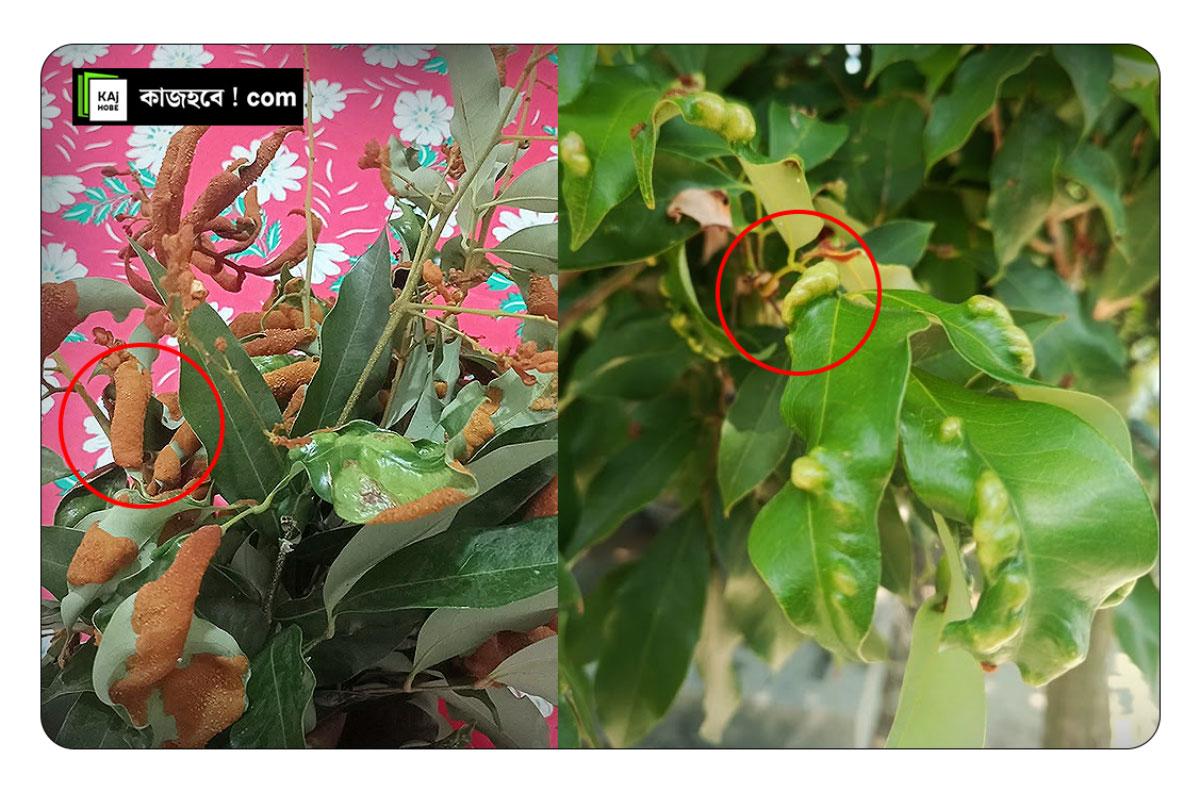
3. A brown or velvet-like coating appears on the underside of affected leaves. Gradually, this coating may also spread to the upper surface of the leaves.
4. The affected leaves gradually turn brown. From a distance, they may appear to have dried out.
5. When the infestation becomes severe, it spreads to the new shoots and leaves of the lychee tree.
🦠 Cause of Infestation
The main cause of this problem is the attack of a mite. This mite is known as the Lychee Leaf Gall Mite ( Aceria litchii ). These mites mainly live on the underside of leaves, cause damage to the leaves, and feed on plant sap to survive and reproduce. When the leaves are attacked, unusual swelling and deformation occur.
Control Methods
Since this problem is caused by the attack of mites, it is possible to control them by applying miticides. Below, we discuss some effective miticides.
Abamectin benzoate-based miticides can be used to control mites. However, if the infestation is severe, spraying may need to be repeated 1–2 times at 7-day intervals. Below are some well-known products available in the Bangladeshi market:
- Vertimec 1.8 EC
- Sunmectin 1.8 EC
- Abom Super 3 EW (more effective)
- Drill 3 EW (more effective)
- Oberon 240 SC (more effective)
After the first application of a miticide, only the existing mites are killed. Later, young mites hatch from their eggs and begin infesting the leaves again on a small scale. Therefore, applying two sprays at 7-day intervals also helps kill the newly hatched mites.
Most of the above products are available only in the Bangladeshi market. If you are in another country, you can use an abamectin-based miticide available in your country.
🌱 Prevention and Management
- If the tree is small, easily cut or remove the affected lychee leaves by hand and destroy them safely.
- For large trees or when there are many trees, removing leaves by hand may not be practical. In such cases, purchase a suitable miticide from the market and spray thoroughly, covering both the upper and lower surfaces of the new and old leaves.
- Regularly inspect the leaves of lychee trees. Taking proper action as soon as signs of infestation appear on new leaves can help resolve the problem with less effort and lower cost.
⚠️ Special Precautions
In most cases, swelling, curling, and browning of lychee leaves are caused by mite infestation. However, these symptoms may also occur due to other causes. To be completely certain, carefully compare the symptoms on your tree with the images. Do not use fungicides or insecticides without confirming the disease or pest infestation. Take special precautions when using pesticides during flowering and fruiting.