
🌽 Fall Armyworm Attack on Maize, Symptoms, and Control Methods
Maize is one of the most important crops in Bangladesh, but a major obstacle in its production is the fall armyworm (also known as Leda Poka or Corn Borer). This harmful pest enters the stem and cob of the plant, eating the tissues, which weakens the plant and significantly reduces the yield.
Let's learn about the unknown aspects of the fall armyworm in maize—its identification, attack timing, symptoms, control, and remedial methods in detail.
🐛 Identification of Fall Armyworm
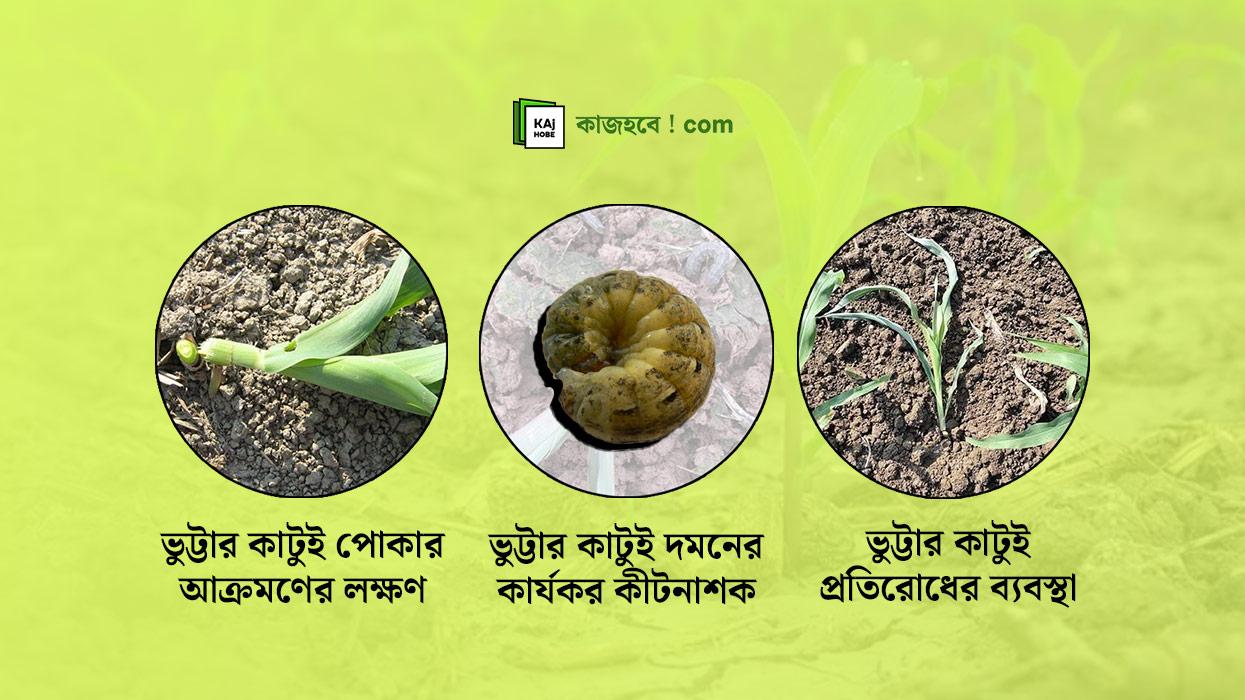
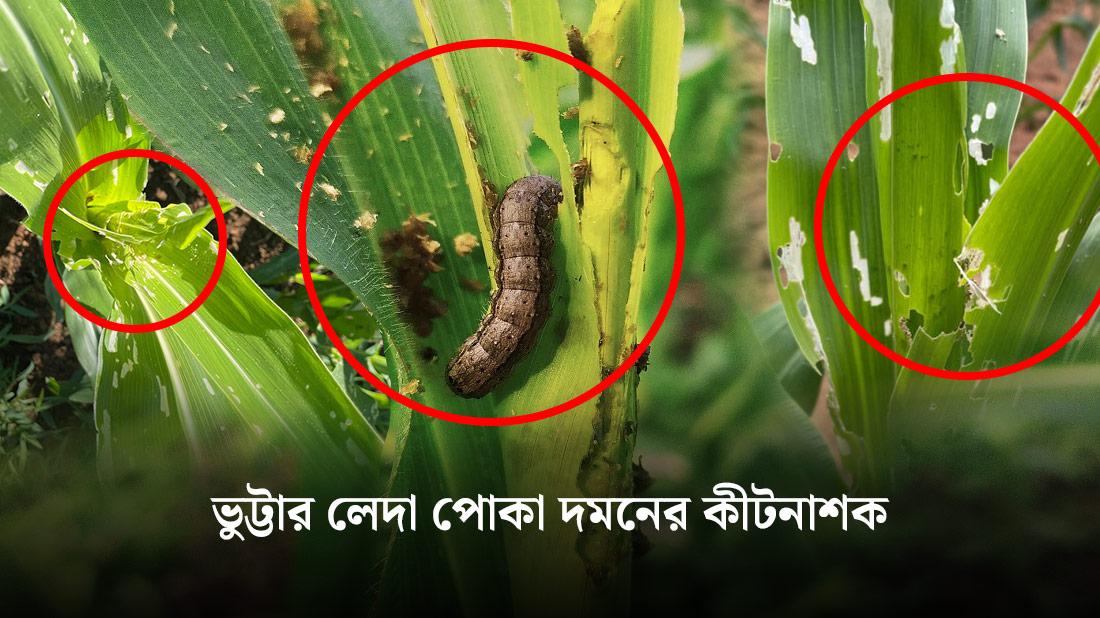
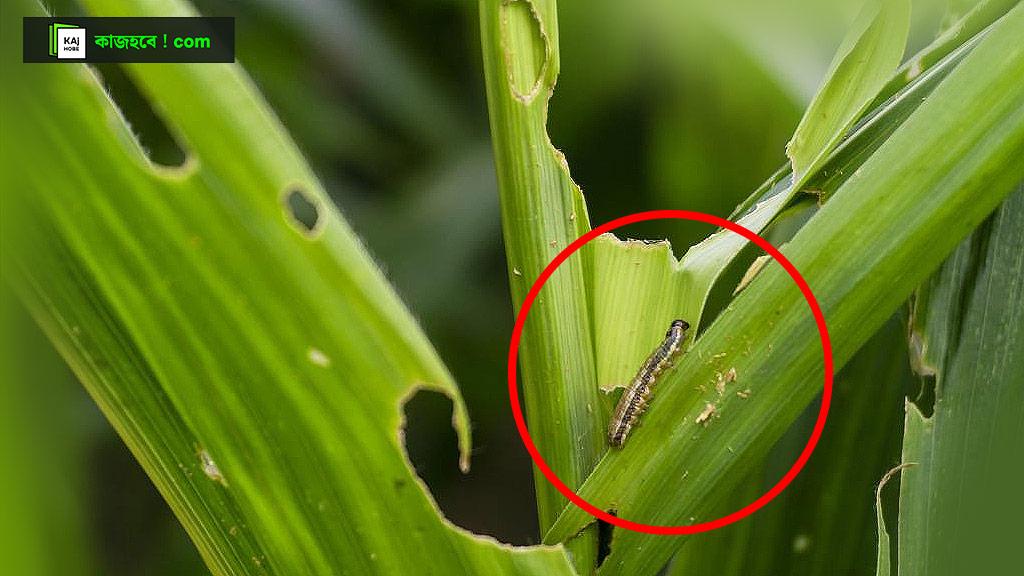
The fall armyworm (Fall Armyworm) is one of the most terrifying pests of maize, causing severe damage to the leaves, stems, and cobs. They are mainly active at night, scraping and eating leaves, and entering tender parts to consume the soft inner tissues.
🔹 Bengali Name: Leda Poka / Fall Armyworm
🔹 English Name: Fall Armyworm
🔹 Scientific Name: Spodoptera frugiperda
🔹 Family: Noctuidae
👉 Farmers usually say — “The fall armyworm enters the core and destroys the maize plant and cob.”
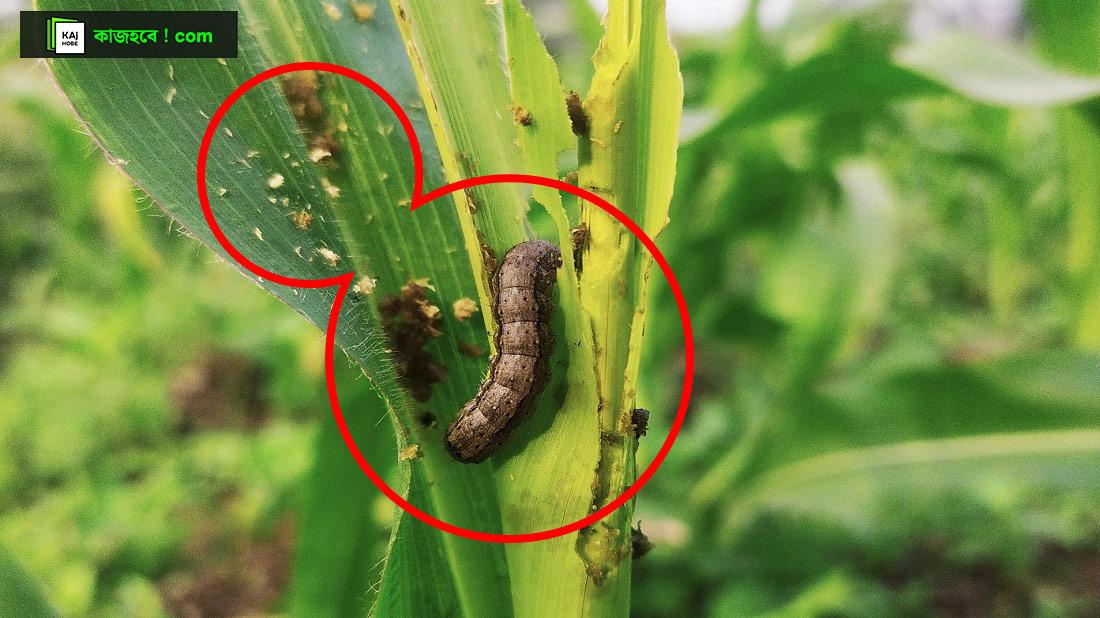
🌱 At What Age of Maize Plant Does Fall Armyworm Attack Occur
- Generally, the fall armyworm attack starts between 25 to 40 days of the maize plant.
- At this time, the stem is soft, so the pest can easily enter.
- When the plant grows larger, they lay eggs at the base of leaves, on stems, and sometimes on the cob part.
- In warm and humid weather (25–30°C temperature), their reproduction happens rapidly.
⚠️ Symptoms of Fall Armyworm Attack
To recognize the fall armyworm attack, pay attention to the following symptoms 👇
- Pest frass (powdery droppings) is visible on the leaves.
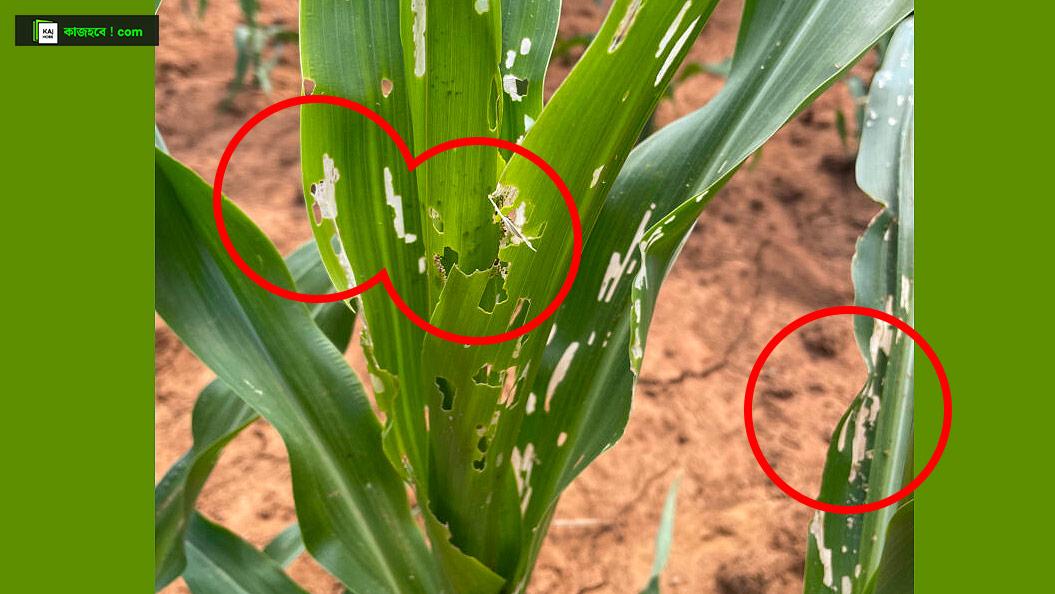
- Small holes are visible on the plant leaves or at the tip.
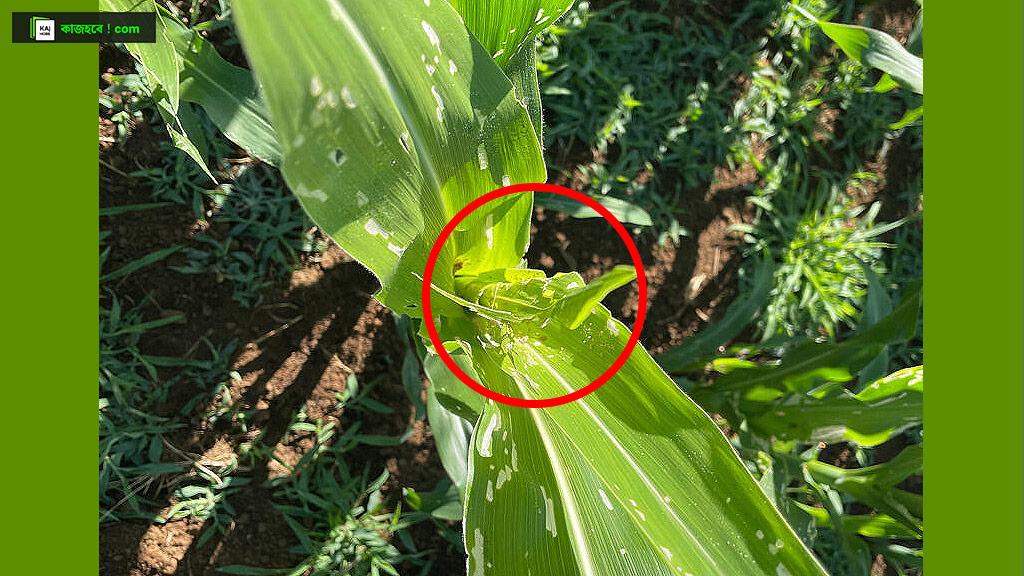
- Enters the stem or core and eats the soft parts.
- Leaves turn yellow and dry up, and plant growth stops.
- When the stem is cut, holes and caterpillars are visible inside.
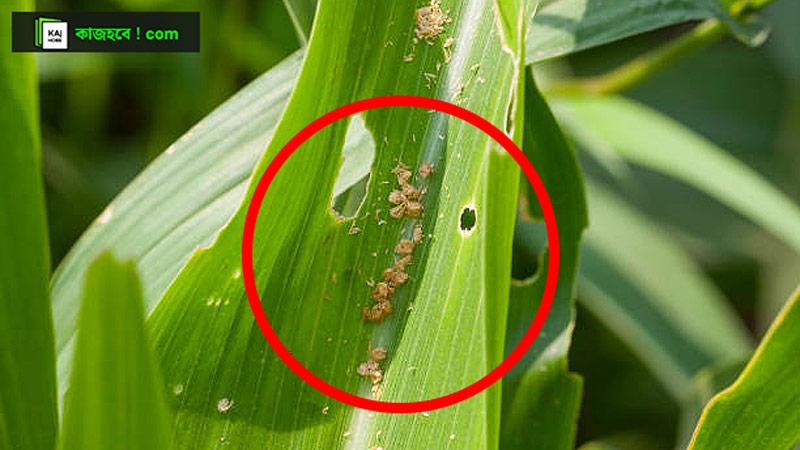
💀 Extent of Damage if Fall Armyworm is Not Controlled
If timely measures are not taken -
- Yield can decrease from 30% to 80%.
- Due to plant weakness, maize cobs become incomplete or rot.
- Pests remain in the affected field for the next season, causing infection in new crops as well.
- If it is a seed production field, seed quality is destroyed, and germination decreases.
🧪 Insecticides for Controlling Fall Armyworm
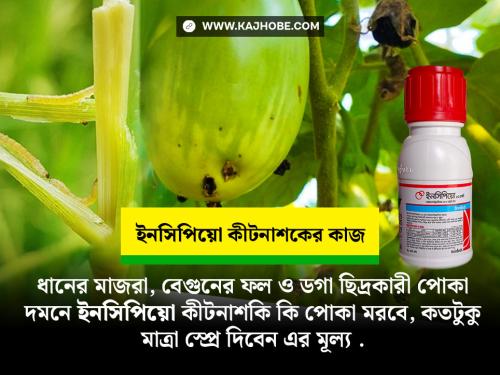
For controlling fall armyworm, using insecticides containing Emamectin Benzoate or Lufenuron or Carbosulfan works very well. Below are the names of insecticides containing Emamectin Benzoate (This product only available in Bangladesh)
- Riva 10 SG – 10 grams for every 16 liters of water
- Lumectin 10 SG – 10 grams for every 16 liters of water
- Gentek 5 SG – 15 grams for every 16 liters of water
- Barud 5 WDG – 15 grams for every 16 liters of water
- Actor 6 WG – 15 grams for every 16 liters of water
- Herculex 40 SG – 5 grams for every 16 liters of water
- Ultima Plus 40 WG - 5 grams for every 16 liters of water
- Virtako 40 WDG - 5 grams for every 16 liters of water
- Hatiyar 5 EC
- Heron 5 EC
- Advantage 20 SC
- Marshal 20 EC
Spraying any one of the mentioned insecticides on the maize crop will control the pest. To thoroughly control the pests, apply the second spray 7 days after the first spray.
💡 Advice:
Spraying in the evening is the most effective, because the pest is active at night.
🛡️ Remedial and Preventive Measures for Fall Armyworm
To reduce fall armyworm attack, not only insecticides but following some agricultural management practices is essential 👇
🔸 Destroy affected plants: When attack is seen in the field, the pests are in low numbers, so pick and destroy the pests from the affected stems.
🔸 Crop rotation: Do not cultivate maize repeatedly in the same land. Cultivate rice, pulses, or vegetable crops alternately.
🔸 Biological control: A parasitic insect called Trichogramma destroys the eggs of fall armyworm. Using it reduces the need for chemical insecticides.
🔸 Proper irrigation and drainage: Excess moisture increases pest reproduction, so do not allow water to accumulate in the field.
🔸 Weed cleaning: Weeds serve as shelter for pests, so it is essential to keep weeds cleaned regularly.
🌾 Special Advice for Farmers
🔸 Start regularly inspecting the field from 20 days after planting.
🔸 If small holes are seen on the tip or leaves of the plant, take action quickly.
🔸 Do not spray unnecessarily to preserve the number of natural enemy insects (Trichogramma).
🔸 Use insecticides in the correct dose and at the correct time.
📉 Conclusion
The fall armyworm in maize is such a terrifying pest that it hides inside the plant and gradually destroys the base and cob. If not controlled in time, the yield decreases drastically.
However, through proper agricultural management, improved varieties, regular monitoring, and appropriate insecticide use, it is easily possible to keep the damage from this pest under control.