
Winter Rice Seedbed Care in Bangladesh (Complete Guide)
Rice cultivation is one of the major pillars of Bangladesh’s agricultural economy, and the winter Boro season (November to April) plays a special role in it. During this season, rice seedbeds are prepared to produce seedlings, which are later transplanted into the main field. However, due to severe winter cold, fog, and dew, various problems arise in the seedbed—such as seedlings turning yellow or white, growth stopping, leaves drying up, or disease attacks. If these problems are not managed in time, the seedlings become weak and overall crop production decreases. In today’s blog, we will discuss in detail the proper care of winter rice seedbeds, especially the causes of cold-related problems and simple, practical solutions. This article is prepared based on Bangladesh’s local climate, soil conditions, and farmers’ experiences so that you can easily apply these methods and achieve good results. Let’s get started!
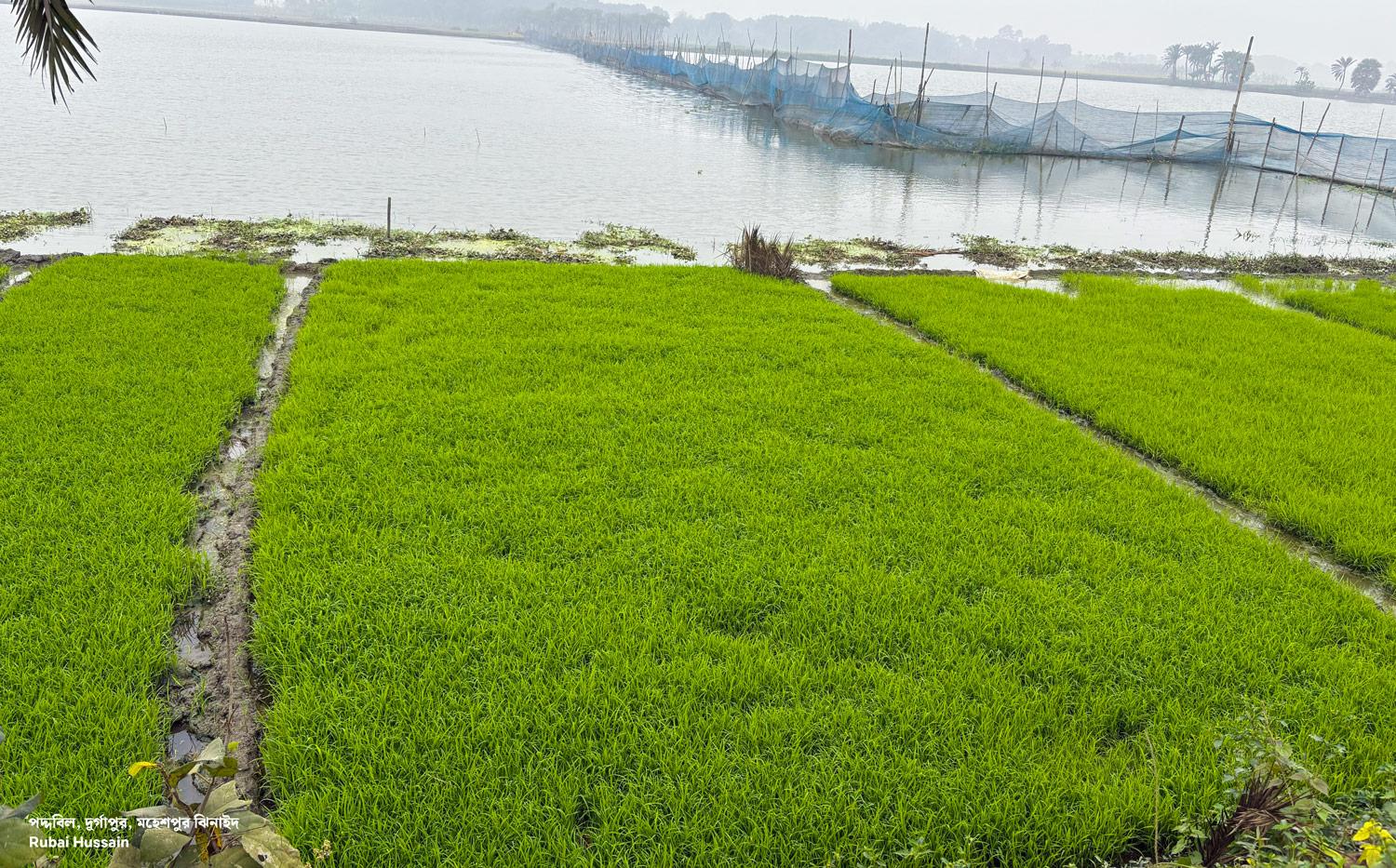
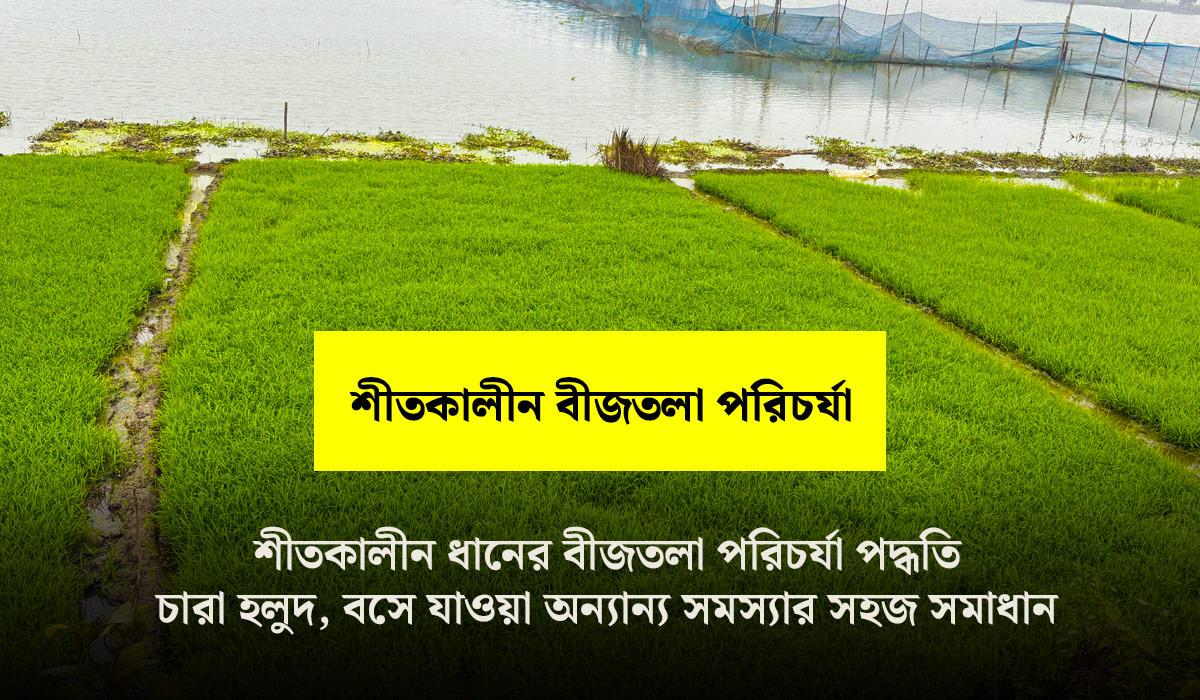
Winter Rice Seedbed
Boro rice seedbeds are usually prepared on a small, raised piece of land where rice seeds are broadcast and seedlings are grown for 30–45 days. In the northern or cold-prone regions of Bangladesh, temperatures during this season often fall below 10°C, which hinders seedling growth. Generally, seedbeds should be prepared in sunny, open areas and enriched with organic manure (such as cow dung). However, the main challenge in winter is cold-related stress, which we will discuss in detail below.
The main problems and causes of winter seedbeds are mostly weather-related, such as severe cold, fog, and nutrient deficiency. Some common problems and their solutions are mentioned below.
1. Seedlings turning yellow or white and growth stopping
This is the most common problem. Cause: Excessive cold reduces the activity of seedling roots, which hinders the absorption of nitrogen and other nutrients. As a result, seedlings become weak and lose their color.
Solution: If seedlings turn yellow or white, quickly spray urea and sulfur such as Thiovit along with (Mancozeb + Carbendazim) or Mancozeb fungicides such as Mansar 75 WP, Carmix Blue 75 WP, Ozeb Blue 80 WP, Tycozeb 80 WP, etc.—use any one mixed with water. This will turn the leaves green and create a protective layer on the plant, reducing cold damage and helping the plant grow faster.
2. Leaf drying or blight disease attack
Due to accumulated fog and dew, fungal or bacterial attacks increase, which become more severe in cold conditions.
Solution: If leaf drying or blight disease occurs, spray (Mancozeb + Carbendazim) such as Mansar 75 WP, Carmix Blue 75 WP, Ozeb Blue 80 WP, Tycozeb 80 WP, etc.—use any one mixed with water. This will prevent further damage to rice leaves and create a protective layer on the plant.
3. Seedlings collapsing or dying
At night, soil temperature drops significantly, which affects seedling growth.
Solution: If rice seedlings collapse or die, quickly apply sulfur such as Thiovit 80 along with (Mancozeb + Carbendazim) or Mancozeb fungicides such as Mansar 75 WP, Carmix Blue 75 WP, Ozeb Blue 80 WP, Tycozeb 80 WP, etc.—use any one and broadcast it over the seedbed. This will help the collapsed rice seedlings recover and grow properly.
Important preventive measures for winter seedbeds
To keep winter rice seedbeds healthy, some preventive measures should be taken in advance. These steps reduce cold damage and help seedlings grow strong.
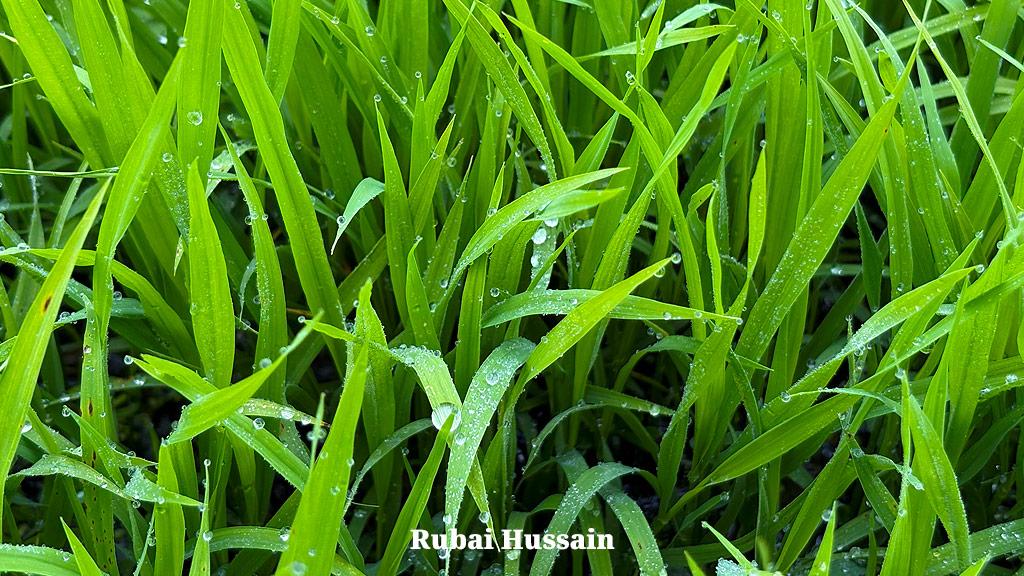
- Prepare the seedbed in a sunny and open place so that it receives sufficient sunlight during the day.
- Use well-decomposed organic manure such as cow dung during land preparation.
- Avoid excess water in the seedbed; keep the soil moist but not waterlogged.
- Drain excess water in the afternoon so that the soil remains warm at night.
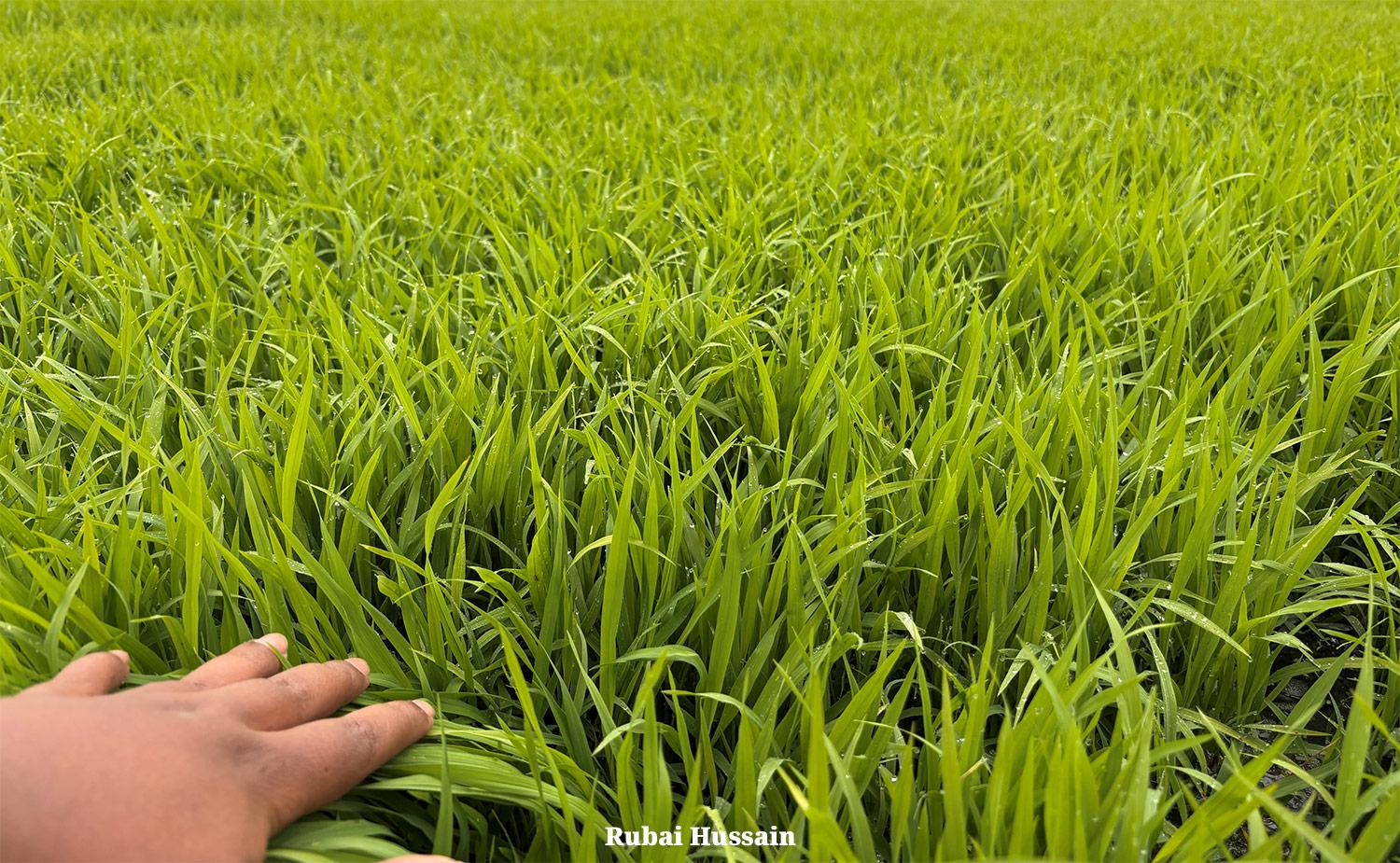
Proper nutrition management
Proper nutrient supply is essential for strong seedling growth. In winter, nutrient absorption becomes difficult, so balanced fertilization is very important.
- Apply a small amount of urea when seedlings start turning pale.
- Use sulfur to increase cold tolerance and improve leaf color.
- Avoid excessive fertilizer use, as it may burn seedlings.
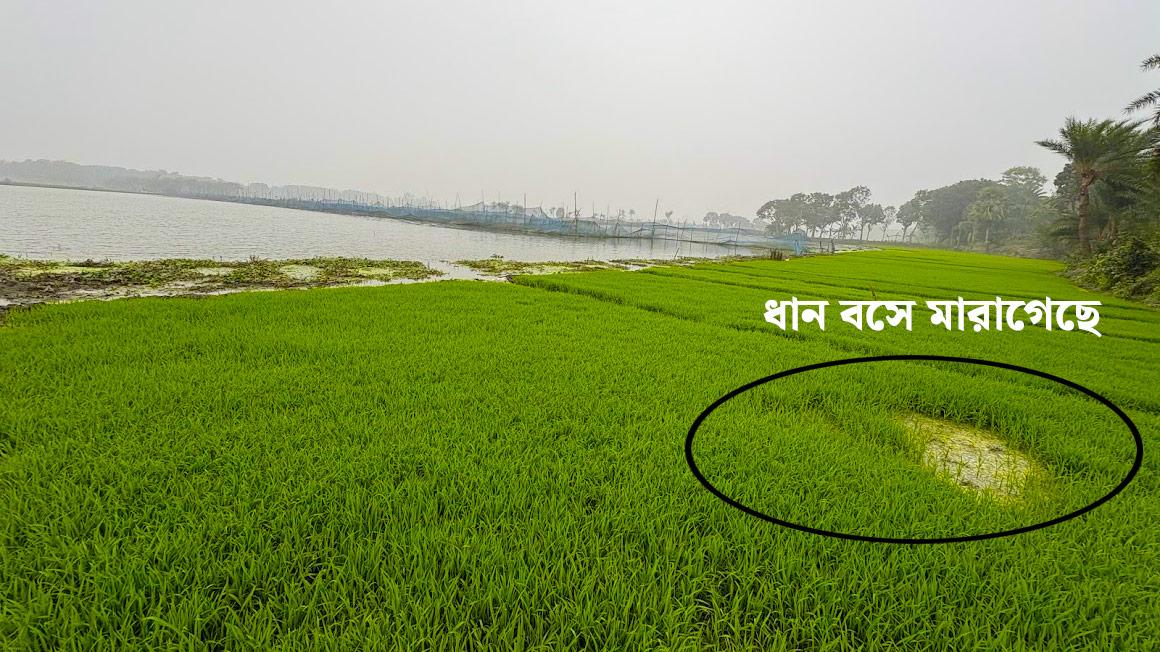
Additional practical tips
Some simple but effective techniques can greatly reduce winter-related problems in rice seedbeds.
- Cover the seedbed with polythene or straw during extreme cold nights.
- Remove the cover in the morning to allow sunlight and air circulation.
- Monitor the seedbed regularly and take action as soon as symptoms appear.
Conclusion
Winter rice seedbed management is a sensitive but very important stage of Boro rice cultivation. With timely care, balanced nutrition, and simple preventive measures, cold-related damage can be greatly reduced. Healthy seedlings ensure better establishment in the main field and ultimately lead to higher yields. By following the methods discussed above, farmers can successfully grow strong and healthy rice seedlings even during the harsh winter season.