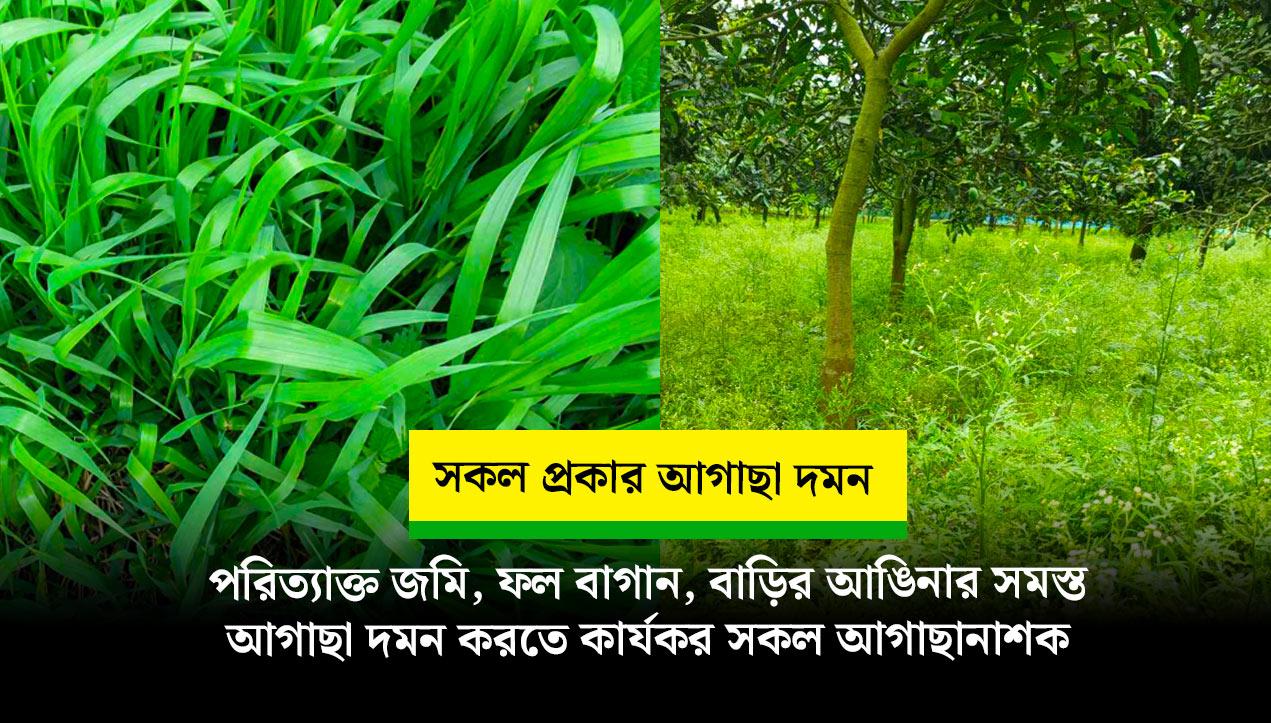


🌱 Herbicides for Weed Control in Groundnut (Peanut)
Groundnut (Peanut) is an important cash crop in Bangladesh. Its seeds contain 48-50% oil and 22-29% protein, which helps meet the demand for nutritious food and edible oil. However, even with proper care, weeds alone can reduce the yield by 30–60%. Weeds compete with the crop for nutrients, water, sunlight, and space, which stunts plant growth and lowers yield.
- 👉 Effective weed management is one of the most important keys to successful groundnut cultivation. Due to labor shortages, the use of herbicides has become the most popular and effective method nowadays.
🥜 Common Types of Weeds in Groundnut Fields
Three main types of weeds are commonly found in groundnut fields. These grow quickly and compete with the crop:
- Grassy Weeds
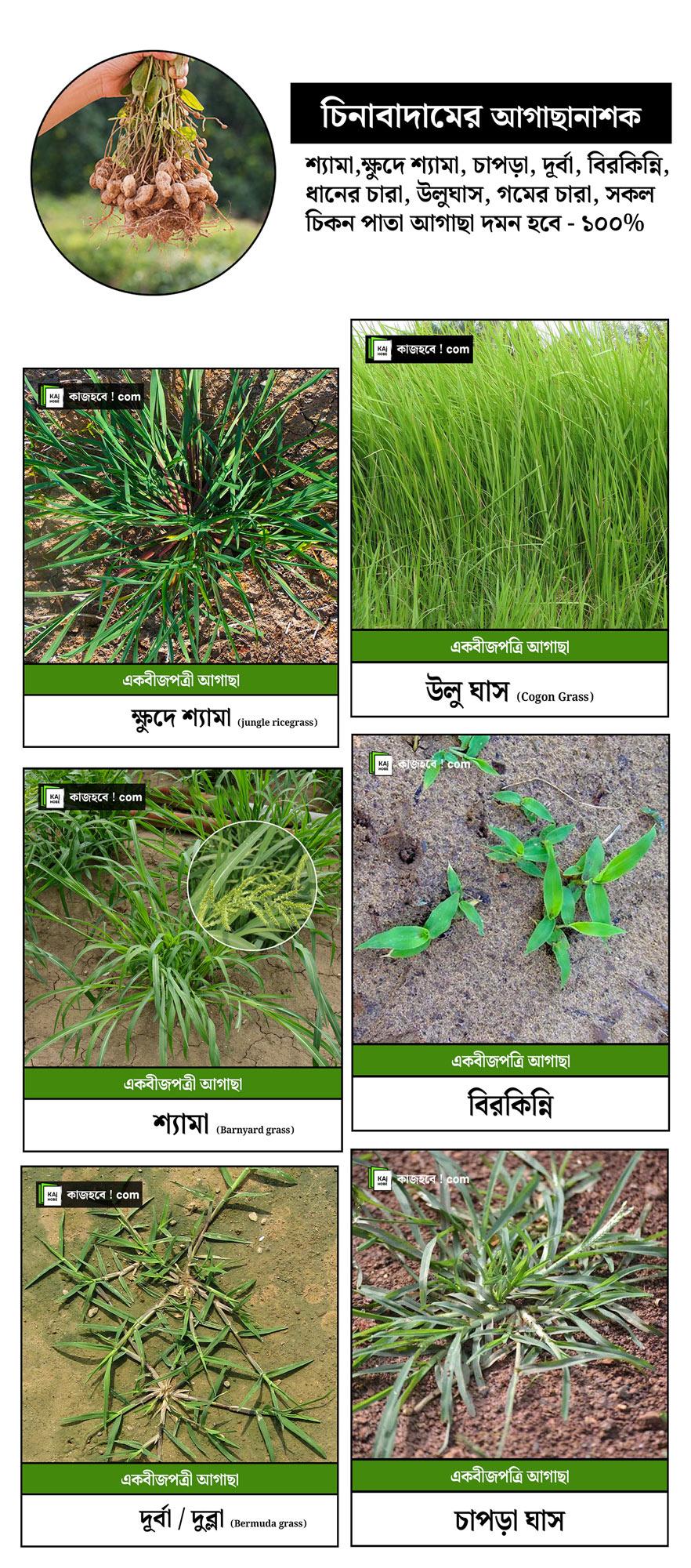
- Barnyard grass (Shyama)
- Jungle rice (Khude Shyama)
- Witchgrass (Birkinn)
- Bermuda grass (Durba / Dubla)
- Crabgrass (Anguli / Chapra grass – Digitaria)
- Goosegrass (Chapra grass – Eleusine indica)
- Cogon grass (Ulu grass)
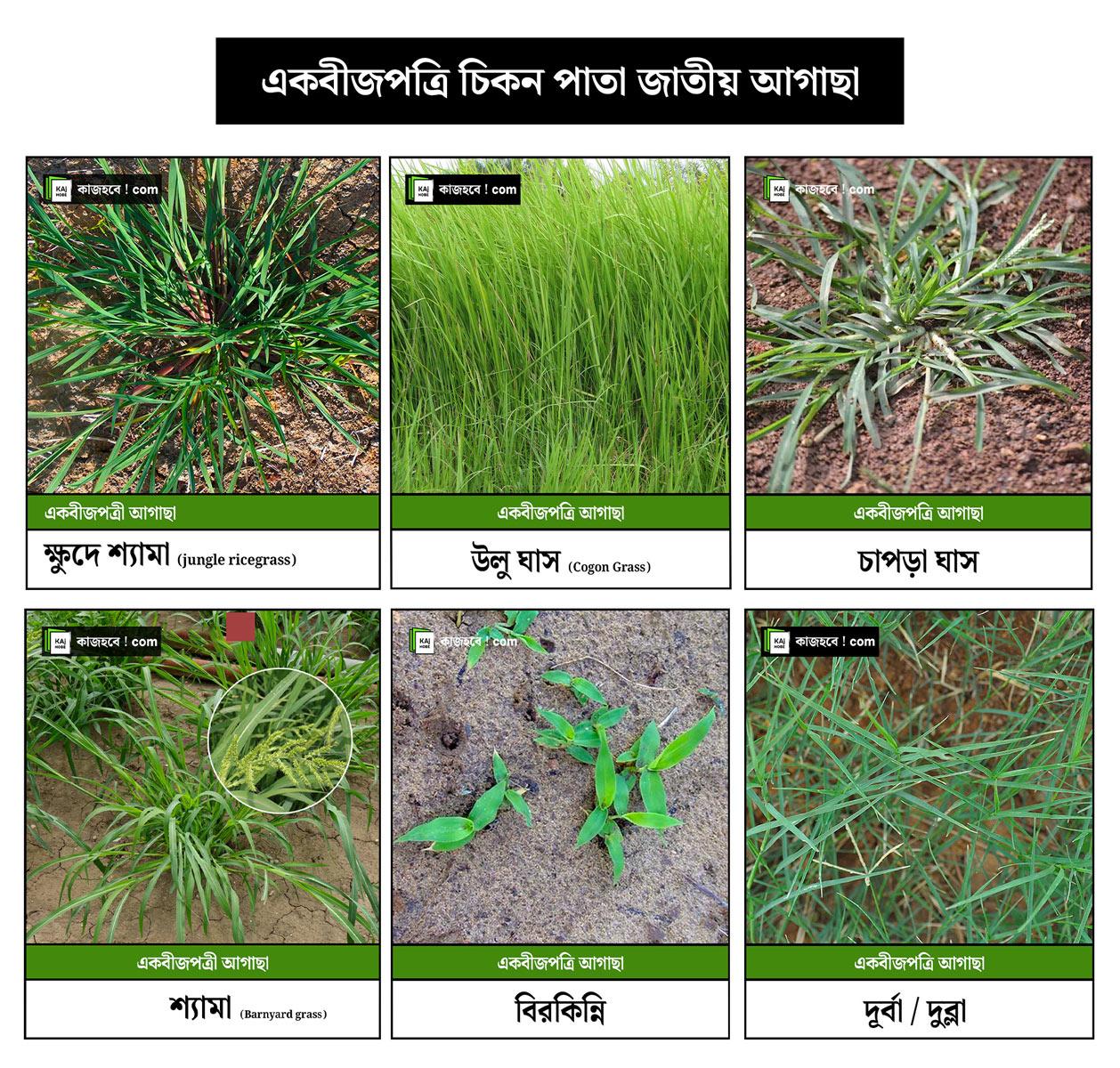
👉 These weeds spread rapidly, absorb soil nutrients, and block sunlight from the crop. If not controlled within the first 30-40 days, the yield can drop significantly.
- Broadleaf Weeds
- Gooseweed (Bil Morich)
- Mexican poppy (Agunakanta / Shialkanta)
- Cleavers (Katari)
- Spiny amaranth (Kanta Note)
- Amaranthus sp. (Shak Note / Khuriya Shak)
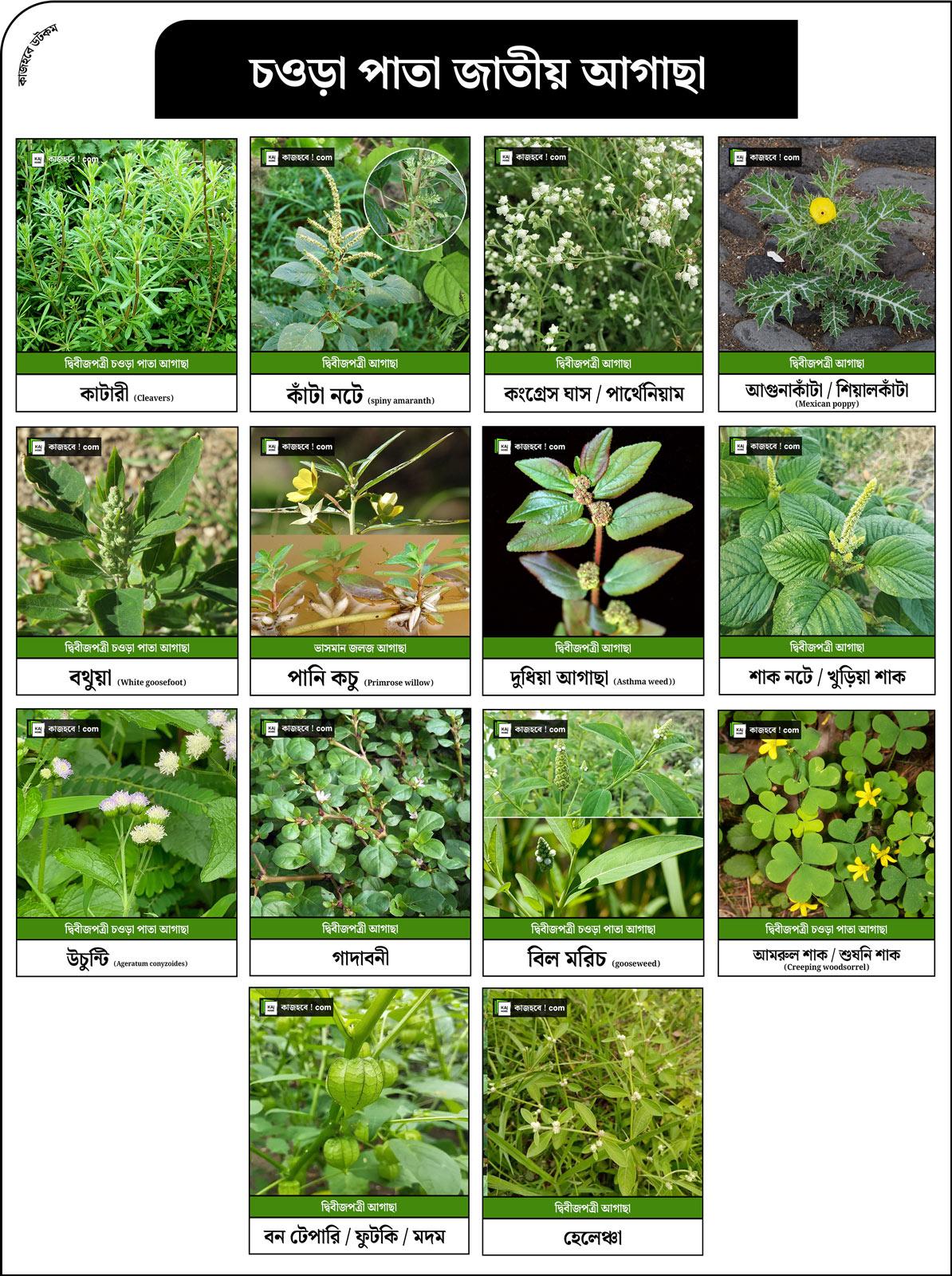
👉 These weeds absorb more nutrients and water and strongly hinder crop growth.
- Sedge Weeds
- Nutsedge (Mutha grass – Cyperus spp., Yellow/Purple nutsedge)
👉 These are tuberous weeds that spread underground and persist for a long time. Many herbicides have limited effect on them.
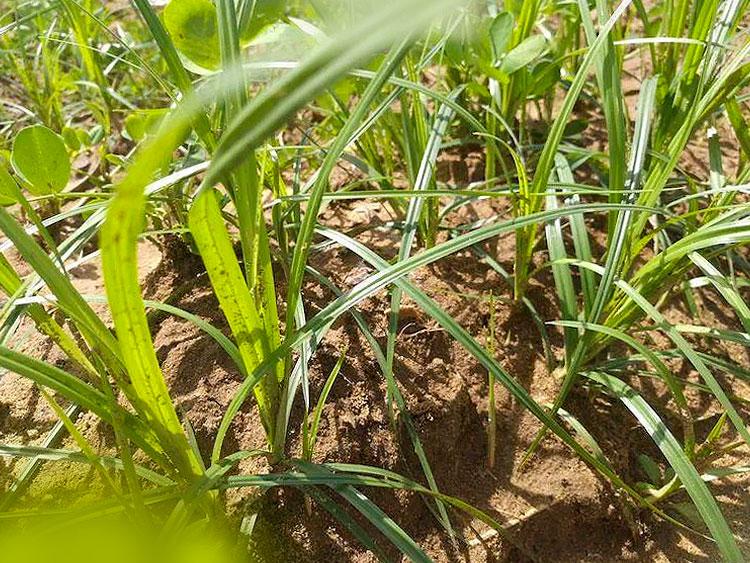
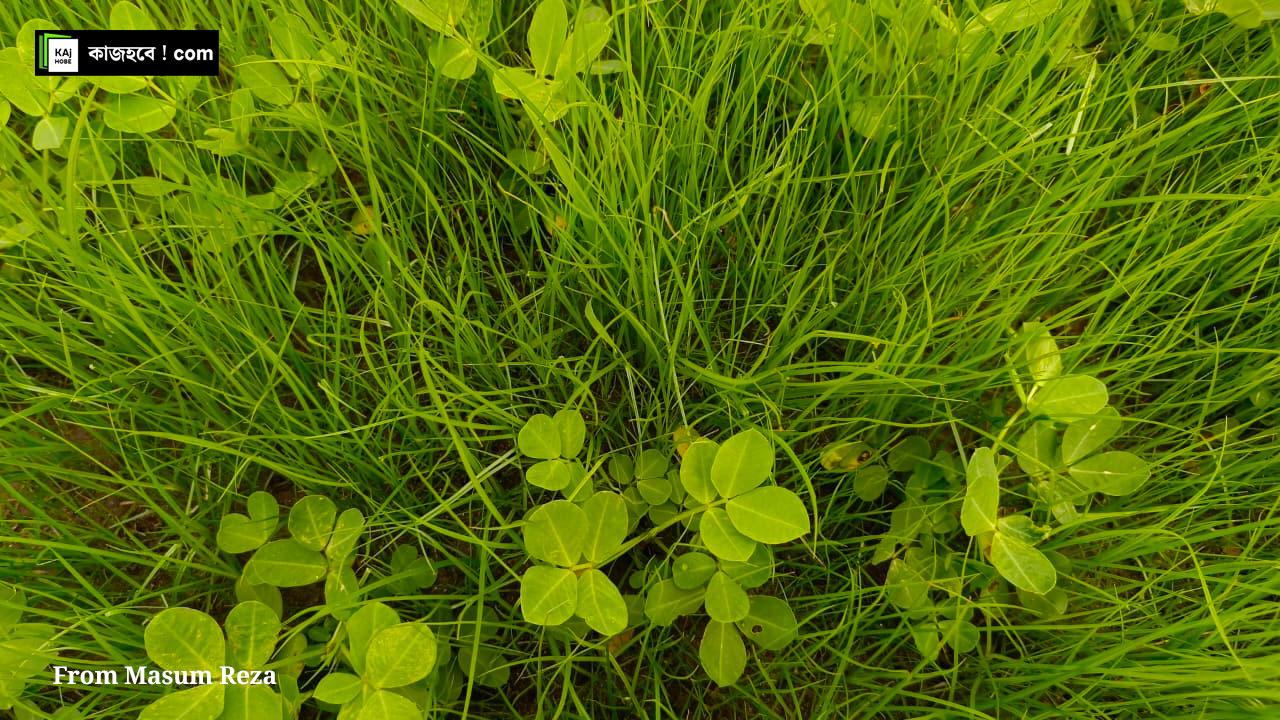
Important Information: The first 15–40 days after sowing is the critical period for weed control in groundnut. During this time, the crop is weak and cannot compete well with weeds.
Herbicide Application Methods
Herbicides in groundnut are usually applied in two stages:
- Pre-emergence: Before weeds emerge.
- Post-emergence: After weeds have emerged (when the crop has 2–4 leaves).
🌿 Pre-emergence Herbicide (Before Weed Emergence):
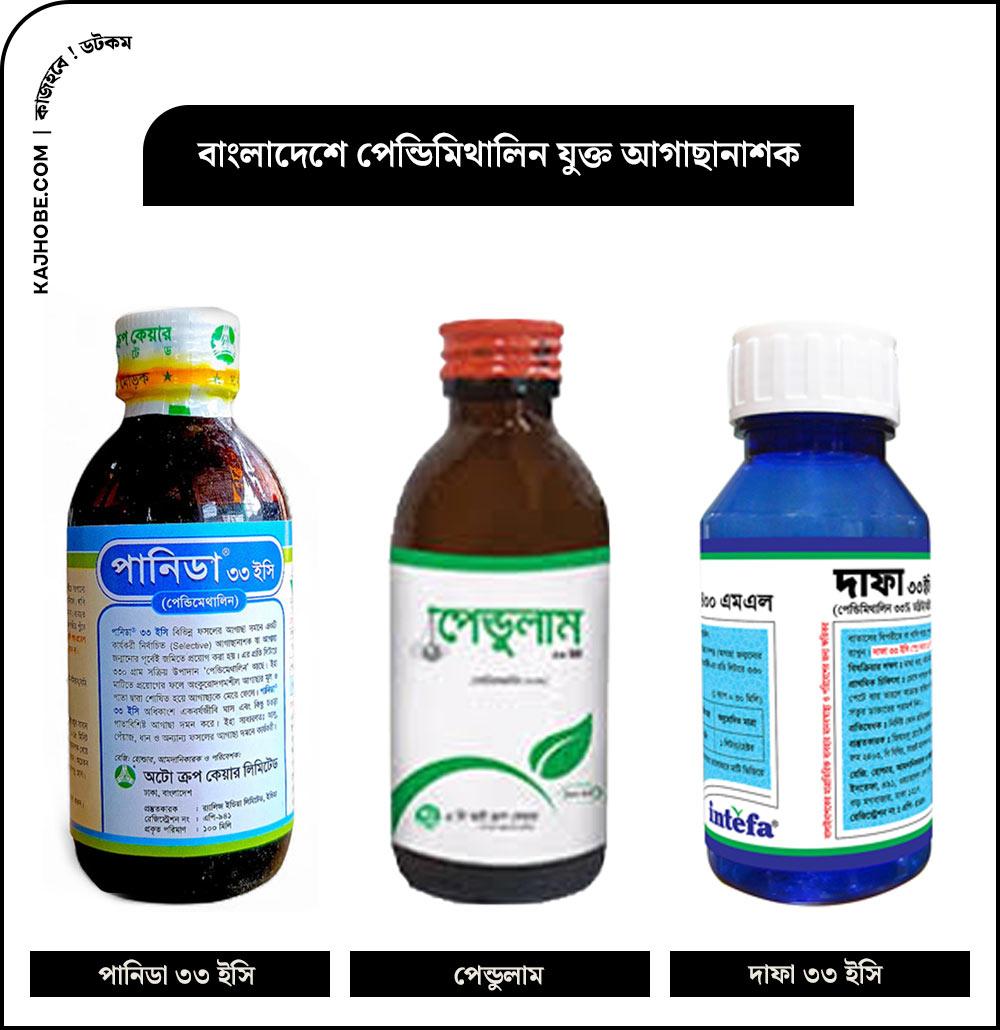
To prevent weeds from germinating, Pendimethalin group herbicides are used. These should be applied within 1–3 days after sowing groundnut seeds. Popular brands available in Bangladesh include Panida 33 EC, Dafa 33 EC, and Penthalin 33 EC.
❓ Application Time: Spray on the soil surface within 1–3 days after sowing.
How it works?
When applied in groundnut fields, Pendimethalin creates a protective layer on the soil surface. It prevents weed seeds from germinating and stops root development. Light irrigation or rainfall is required after spraying for better activation.
Common Pendimethalin Group Herbicides in Bangladesh:
- Panida 33 EC (Panida)
- Dafa 33 EC
- Penthalin 33 EC
- Pendulum 33 EC
Weeds Controlled by Pendimethalin Group:
- Grassy Weeds:
- Barnyard grass
- Jungle rice
- Witchgrass
- Bermuda grass
- Crabgrass (Digitaria)
- Goosegrass (Eleusine indica)
- Cogon grass
- Broadleaf Weeds:
- White goosefoot (Bathua)
- Gooseweed (Bil Morich)
- Mexican poppy
- Cleavers
- Spiny amaranth
- Amaranthus sp.
Weeds with Poor Control by Pendimethalin:
- Nutsedge / Mutha
- Yellow nutsedge
- Purple nutsedge
- Umbrella sedge (Boro Chucha)
- Fimbristylis miliacea (Joyna)
- Bulrush / Alkali bulrush (Chenchra)
Advantages of Pendimethalin Herbicides:
- Easy to apply over large areas with less labor.
- Controls early weeds for 30–45 days.
- Safe for the crop when used at the correct dose and time.
Precautions:
- Incorrect dosage may damage crop seedlings (especially in sandy soil).
- Heavy rainfall may reduce effectiveness or cause uneven distribution.
- Poorly prepared soil gives poor results.
- General Dose: 1.0–1.5 kg active ingredient per acre (check the label according to the brand).
🌱 Post-emergence Herbicide (After Weed Emergence):
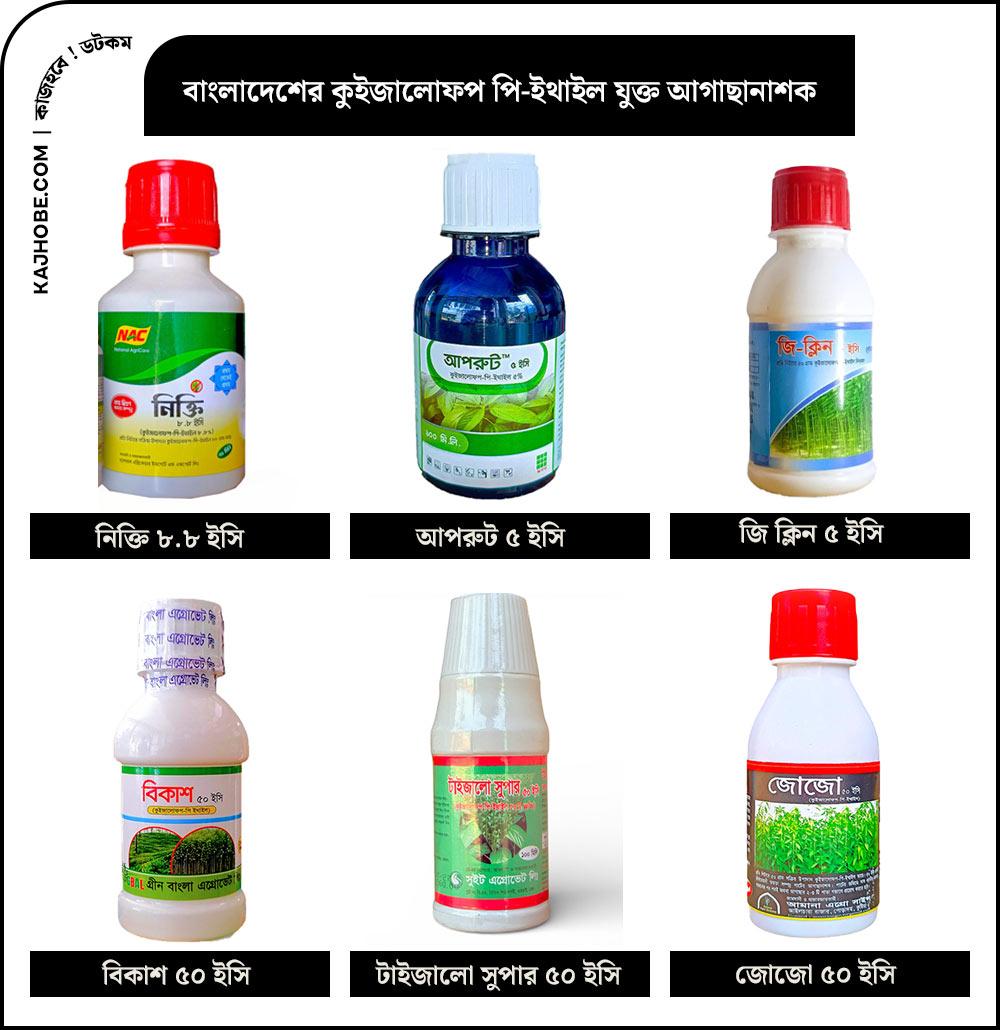
Quizalofop P-ethyl group herbicides are used to control weeds after they emerge. These should be applied 15–30 days after sowing. Popular brands in Bangladesh include Nikti 8.8 EC, Uproot 5 EC, G-Clean 5 EC, Bikash 50 EC, and Jojo 50 EC.
❓ Application Time: 15–30 days after sowing, when weeds have 2–4 leaves and the crop has 4–6 leaves.
How it works?
It is a selective herbicide that targets only grassy weeds such as Barnyard grass, Bermuda grass, Crabgrass, Cogon grass, etc. It is absorbed through the leaves and kills the entire weed including the roots without harming the groundnut crop.
Popular Brand Names in Bangladesh:
- Nikti 8.8 EC (National Agrocare)
- Uproot 5 EC (Square Pharmaceuticals PLC)
- G-Clean 5 EC (GMG Agro Limited)
- Bikash 50 EC (Green Bangla Agrovate)
- Jojo 50 EC (Amana Agro Science)
- Senzola 5 EC (Suncid Pesticides)
- Taizalo Super 50 EC (Sweet Agrovate Limited)
Weeds Controlled:
- Barnyard grass, Jungle rice, Witchgrass, Bermuda grass, Crabgrass, Cogon grass, and other grassy weeds.
Weeds Not Controlled:
- Broadleaf weeds such as Bathua, Gooseweed, Mexican poppy, Cleavers, Spiny amaranth, Amaranthus sp., etc.
- Sedge weeds such as Mutha, Yellow nutsedge, Purple nutsedge, Umbrella sedge, etc.
Advantages:
- Weeds dry up within 5–10 days.
- Safe for the groundnut crop.
- Labor-saving.
Precautions:
- Do not use the same herbicide repeatedly — weeds may develop resistance.
- Spray only in the morning or evening when weeds are actively growing.
- Do not spray before rainfall.
💡 Most Effective Recommendation
Step-by-step application:
- Within 1–3 days after sowing → Pendimethalin (Pre-emergence) — Controls early grassy and broadleaf weeds.
- Within 15–25 days → Quizalofop P-ethyl (Post-emergence) — Controls remaining grassy weeds.
Extra Tips:
- If nutsedge (Mutha grass) is a major problem, Pendimethalin may not give good results. In that case, use manual weeding with laborers.
- Integrated Weed Management (IWM): Combining herbicides with manual weeding according to the field situation often gives the best results.
Result: This combination controls almost all types of weeds, significantly increases yield (by 20–50%), and reduces overall cost.
❓ Common Farmer Questions & Answers
- What happens if weeds are not removed? → Yield drops by 30–60%, plants become weak, and disease & pest attacks increase.
- Is applying only herbicide enough? → No. Occasional manual weeding or inter-row cultivation improves yield and maintains better soil health.
- Can herbicides be sprayed during rain? → ❌ No. Spray 4–6 hours before or after rain. Light rain is needed after pre-emergence application, but heavy rain can reduce effectiveness.
- How much herbicide is needed for 33 decimal land? → For Pre-emergence: up to 300 Taka. For Post-emergence: around 150 Taka (current market price).
🚀 Final Words
If you have any questions about groundnut cultivation or weed control, feel free to comment below. We will try to reply as quickly as possible.
📢 If this article was helpful, please share it with your fellow farmers — it will benefit them too.